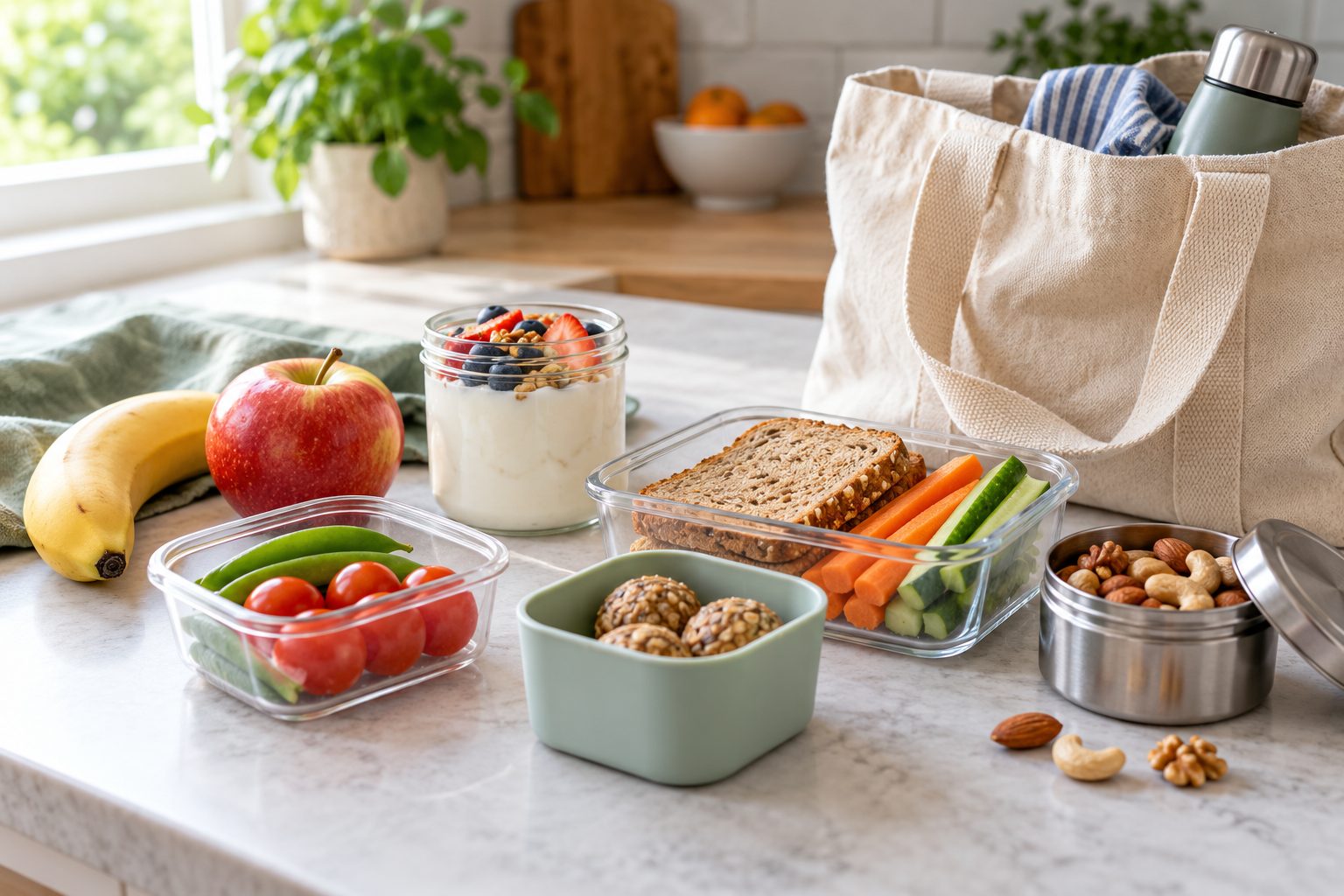
You open the cupboard between meals and find several possibilities, yet none seems quite right. You might want something substantial, something easy to carry, or simply a flavor you enjoy. Advice about the perfect snack can make this ordinary decision feel more complicated than it needs to be.
Learning how to choose snacks starts with understanding the situation. You can ask what you need from the food, identify the practical constraints, and choose something you are willing to eat. The useful outcome is a decision that makes sense in your day, rather than a rigid list you must follow.
Name the job the snack needs to do
Think about the moment when you usually look for a snack. Are you at home, traveling, working, or waiting for a later meal? Do you have time to prepare something? Will you need to carry it? These questions help you choose a format before choosing a particular food.
You might want an option that fits in a bag, or something you can assemble from the fridge. You might want a small amount now and a meal soon afterward. The circumstances can differ from one day to another, so one standard snack may not suit every occasion.
Try finishing this sentence: “Today I need something that…” Be concrete. “Can stay in my desk according to its storage instructions” is a usable requirement. “Is the healthiest possible choice” leaves too many questions unanswered to guide a purchase.
Make the choice personal and practical
Write down foods you already enjoy and can safely eat. Include ordinary choices rather than only products sold as snacks. Depending on your needs and storage, you might consider fruit, yogurt, toast, a small sandwich, or a portion of a familiar meal.
These options are not nutritionally identical, and the amount that suits you will vary. You are creating a shortlist to explore, not a prescribed menu. If you have individual dietary instructions, use them when deciding what belongs on your list.
Next, remove options that do not fit the setting. A food requiring refrigeration needs appropriate storage. A snack requiring a knife and plate may be inconvenient in transit. Solving these practical details gives your choice a better chance of being useful when you actually need it.
Explore a combination when it sounds appealing
You can choose one food or combine foods according to what you want. Apple slices with a suitable nut or seed butter, yogurt with fruit, or toast with a filling are examples to consider. Adjust them for allergies, preferences, and your own requirements.
For a small taste experiment, start with a food you already like and add one component. Notice whether you enjoy the texture and flavor together. If the combination is awkward to carry or too much work to prepare, that is useful information for the next choice.
The broader idea of variety is consistent with WHO's healthy-diet guidance. [1] You can apply that idea over your overall eating pattern without requiring every snack to contain several components. Sometimes the simplest option is the one that fits the moment.
Examine the package claim behind a purchase
Some snacks are marketed around a particular nutrient or lifestyle. Before paying more, ask what the claim means for your actual needs. Would you choose the food if the front of the package looked ordinary? Does the product solve a problem that another option does not?
If a nutrient comparison would help, use a focused approach to reading food labels. Compare products you would use in similar amounts and circumstances. Then return to price, taste, and convenience instead of letting a single feature decide everything.
You may conclude that a packaged snack is exactly what you need for a particular day. You may also discover that a food you already buy serves the same practical purpose. The learning comes from understanding the reason for your purchase.
Notice the experience without creating a score
After eating, ask whether the snack did what you wanted. Was it convenient? Was it enjoyable? Did the amount suit the situation? A brief observation can help you choose next time without creating a detailed record of everything you eat.
Be cautious about assigning causes to a single experience. Feeling different on one afternoon does not prove that a particular food changed your concentration, mood, or energy. Your schedule and the rest of the day may also have differed. Keep conclusions proportionate to what you actually know.
If a snack repeatedly feels inconvenient, adjust its format. If you consistently wish you had packed more or less, reconsider the amount. If you dislike the taste, choose another option. Practical observations deserve practical responses rather than judgments about your character.
Prepare for the situation that repeats
Look for one recurring moment you can plan for. Perhaps an afternoon appointment often delays your usual meal, or you regularly travel somewhere with limited food choices. Decide what you could have available in that specific situation, following appropriate storage instructions.
Then add the food and any useful container to your routine. You might keep a shelf-stable option where its label permits or prepare something before leaving home. Choose a level of preparation you can realistically maintain. An elaborate system is unnecessary if one dependable option solves the problem.
For your next snack decision, name the situation, choose an amount and format that fit, and notice whether you enjoyed it. Keep the useful option available and let the next choice respond to the next day.
Sources
- [1] World Health Organization. Healthy diet. Updated January 26, 2026.