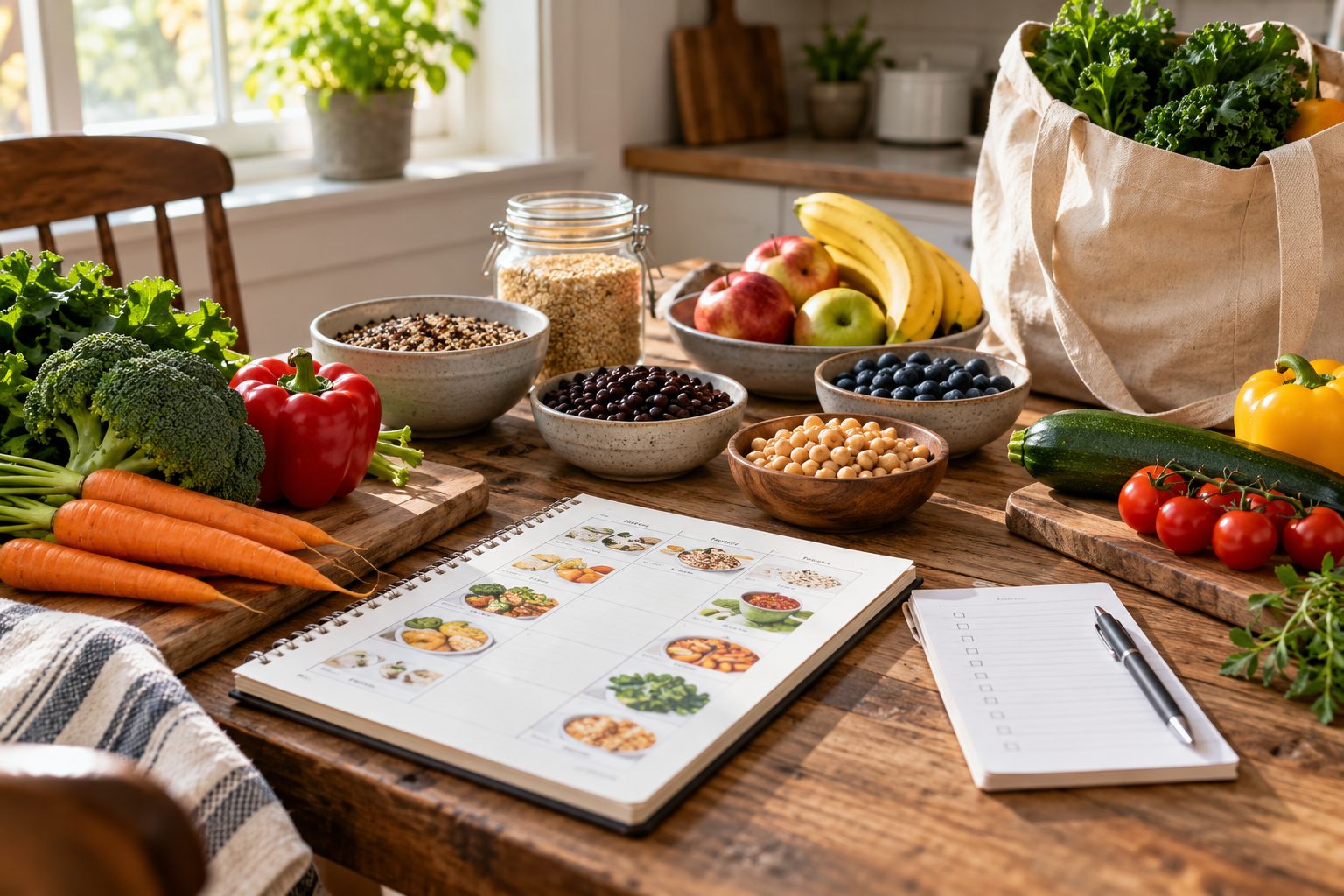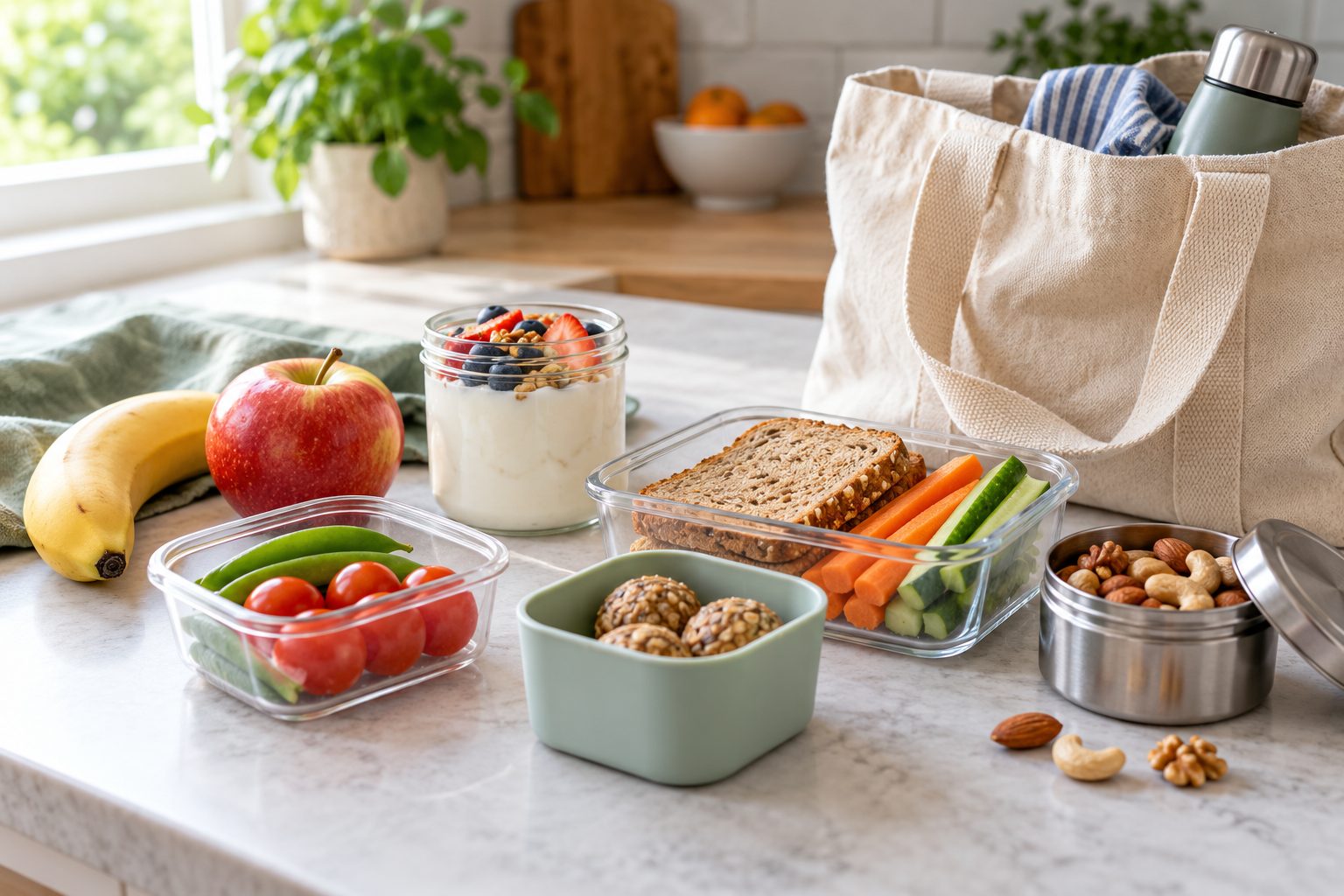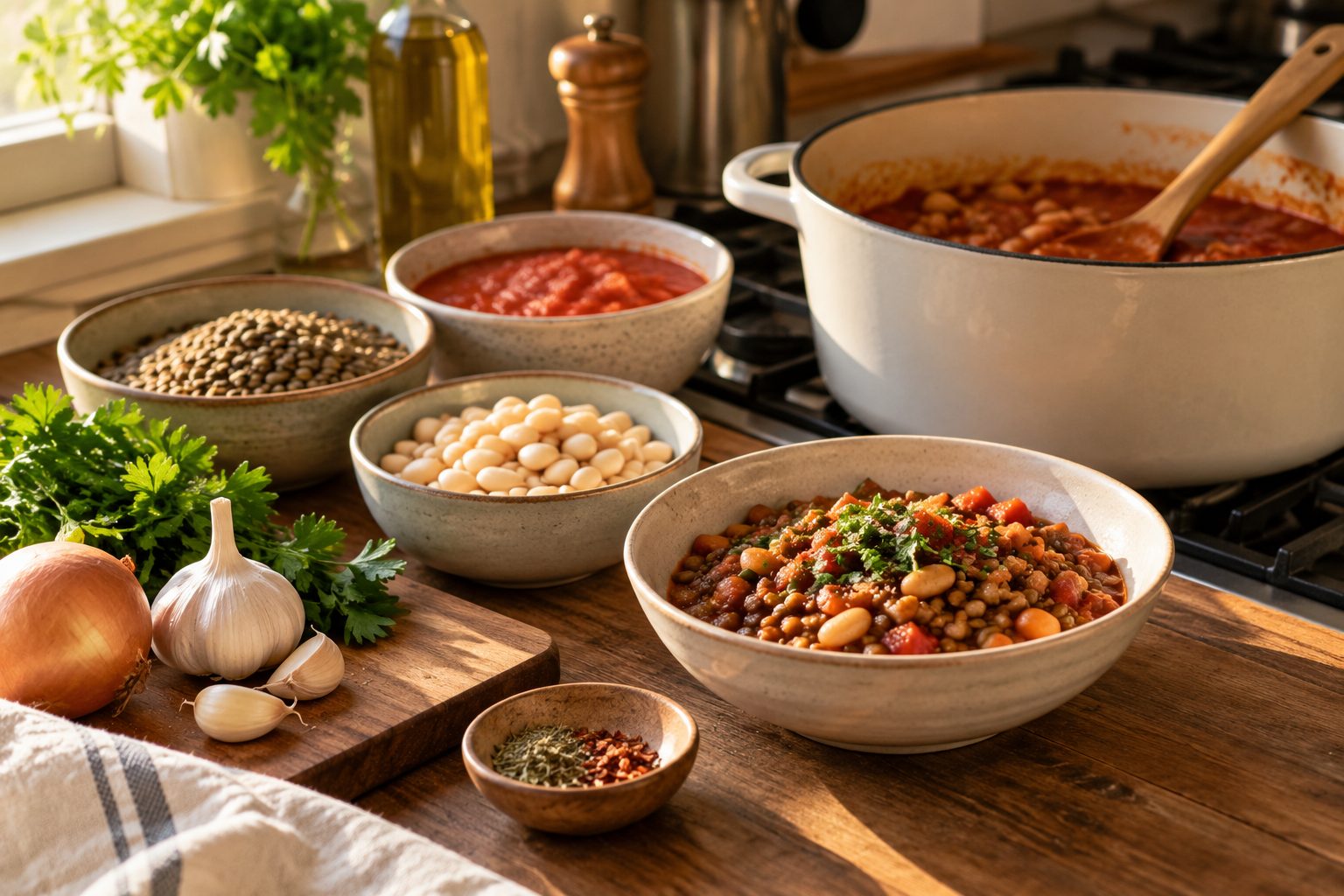
The idea of meal preparation sounds appealing until you imagine several identical containers waiting in the fridge. You want dinner to feel easier, but you also want a choice. Preparing a whole week's meals may feel like committing your future appetite to a decision made on Sunday.
Flexible meal prep begins with a different practical question: which part of cooking would you be relieved to have done already? You can prepare for that step while leaving room to decide the final meal later. The process works best when you test it against an ordinary evening and keep only what helps.
Find the step that makes dinner difficult
Think about the last time cooking felt like too much. Was the problem choosing a meal, finding ingredients, washing produce, chopping, or waiting for something to cook? Those are different obstacles. Preparing more food does not automatically solve all of them.
If choosing was the problem, you might need a short menu of familiar meals. If missing ingredients stopped you, you might need a clearer shopping list. If preparation took too long, a suitable ready-to-use ingredient or an earlier preparation step could be worth exploring.
Name the obstacle in a sentence. “I can cook, but I do not want to chop several ingredients after work” points toward a concrete experiment. “I need to become organized” is too broad to tell you what to do next.
Choose one preparation with a clear destination
Pick a task that supports a meal you already intend to make. You could measure dry ingredients, arrange suitable shelf-stable components together, or prepare a component according to a recipe and appropriate storage guidance. Start with something whose handling requirements you understand.
Be especially careful to plan storage when you cook ahead. Different foods and preparations have different requirements. Follow authoritative food-safety guidance and package instructions rather than assuming that every prepared component will remain suitable throughout the week.
Keep the first attempt modest. You are testing whether this task makes a later meal easier. A small experiment gives you information without committing a large amount of food, time, or money to a system you have not tried.
Separate preparation from the final flavor
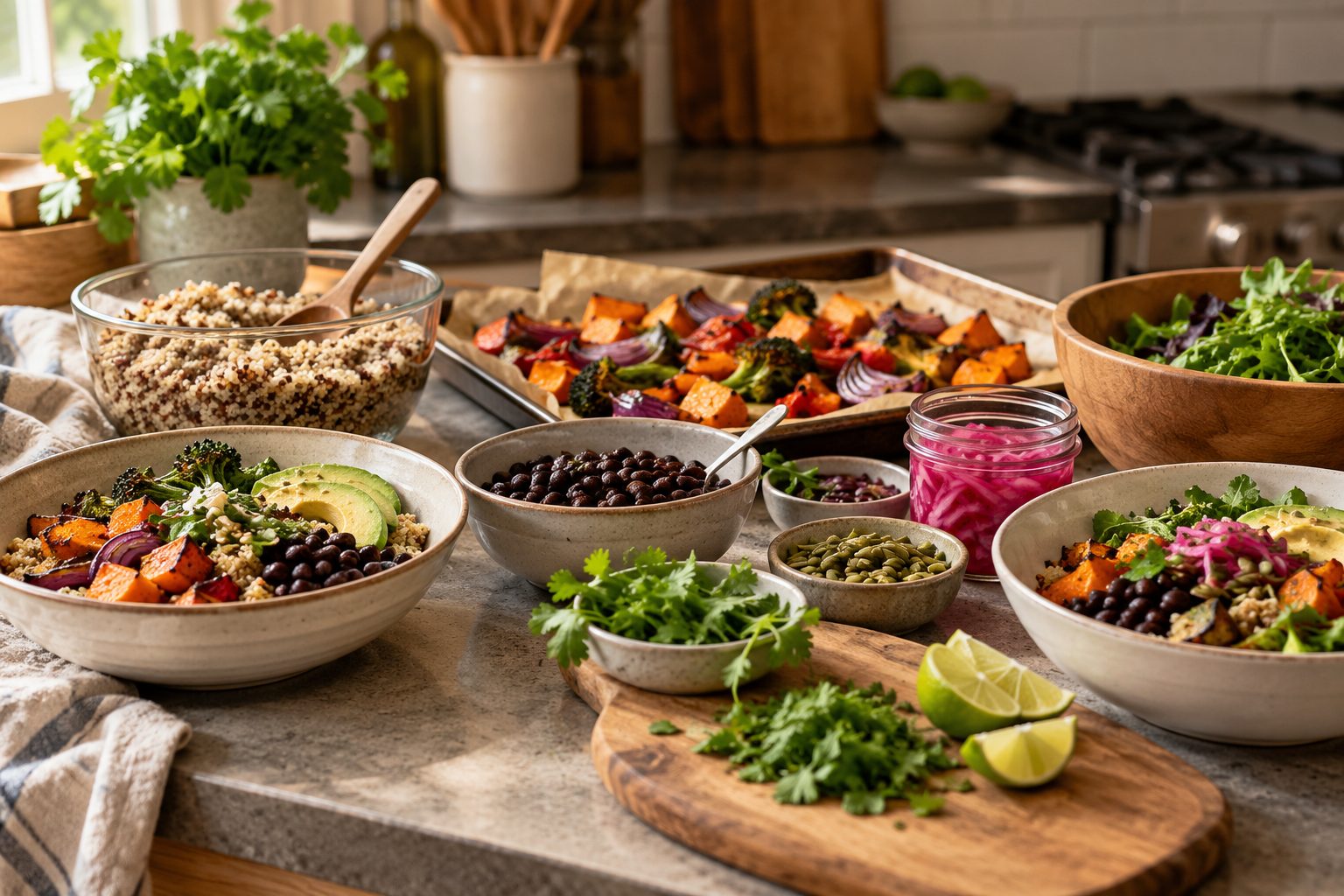
Imagine two dinners you already enjoy that share an ingredient but use different flavors. You might plan the shopping and equipment for both while leaving the final seasoning to the day. Or you might prepare a suitable component for one meal and keep the second meal simple.
The aim is to preserve choices you actually value. If you enjoy deciding between a sandwich and a bowl, do not prepare everything in a form that only fits one. If you are happy with the same format but want different seasoning, focus your flexibility there.
Write down the two possible meals before preparing anything. This checks whether the ingredient really has more than one destination. An assortment of containers can still leave you wondering what to eat if you have not imagined how their contents become dinner.
Build variety around the meals you enjoy
WHO describes variety as part of a healthy eating pattern. [1] In meal planning, that idea can encourage you to consider different foods across your routine while keeping preparations practical. You do not need to make each evening a completely new recipe.
Choose the kind of variation you find useful. You might vary the vegetables, use another familiar filling, or alternate warm and cold meals. Match the choices to your preferences, dietary needs, and the ingredients available to you.
If you are exploring a new food, give it a specific role. For example, a small beans-and-lentils cooking experiment can help you decide whether an ingredient belongs in your regular meals. Learn the preparation before making it the centerpiece of a large cooking session.
Test the plan on an ordinary evening
When the planned evening arrives, notice which decisions remain. Did the earlier preparation remove the step you found difficult? Did you still have the utensils and other ingredients you needed? Did the meal sound appealing by the time you were ready to eat?
Be concrete about the result. “The ingredients were ready, but I still had to choose a recipe” suggests a decision problem. “The recipe was clear, but cleanup took longer than expected” points somewhere else. These observations help you change the right part of the process.
If you did not use the preparation, ask why before repeating it. Your schedule may have changed, or you may have prepared something you did not want. Follow safe handling guidance for any food involved. The next plan should reflect what you learned about your actual routine.
Keep an easy alternative available
Even a thoughtful plan can meet an evening you did not expect. Choose a simple alternative that fits your kitchen, budget, and dietary requirements. It might be a familiar pantry meal or another option you can obtain easily.
Give that alternative the same practical attention as the planned meal. Check that the necessary ingredients are available and stored correctly. A backup written on a list but missing half its components will not remove much uncertainty when you are tired.
You can then judge meal preparation by whether it helps on the days you use it. There is no need to turn every week into a large production. A useful routine may involve only a small amount of preparation and a few clear meal options.
Choose one cooking obstacle, prepare for that obstacle, and try the result on an ordinary day. Keep the step that helped and revise the one that did not. Let your meal-preparation routine grow from experience rather than from a picture of matching containers.
Sources
- [1] World Health Organization. Healthy diet. Updated January 26, 2026.